
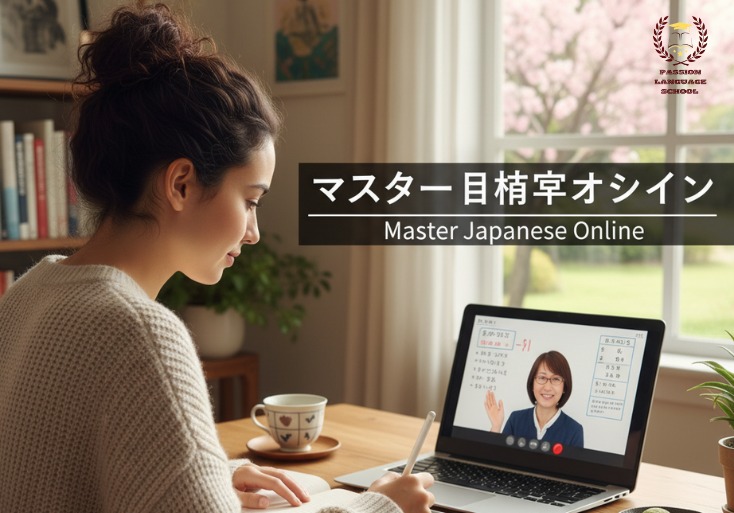
Master Japanese Language Online in Delhi NCR from Home
Learning Japanese from your home in Delhi NCR isn’t some fancy trend anymore—it’s become the smartest move you can make right now. I’ve watched friends transform their careers, snag amazing job offers, and completely change their life trajectory just by picking up this language. And the best part? They did it all without stepping out of their homes.
Think about it. You’re sitting in Noida or Gurgaon, fighting that horrible traffic every day, and somewhere in the back of your mind, you know you need something extra to stand out. Japanese might just be that thing. Not because it sounds cool (though it does), but because there’s actual, real demand for it here.
The Real Deal About Japanese in Delhi NCR
Here’s what nobody tells you at those career counseling sessions. Japanese companies are literally everywhere in our region. I’m talking Honda, Suzuki, Yamaha, Panasonic, Canon—the list goes on. And these companies? They’re desperate for people who can speak Japanese. Not just fluent experts, but even folks with decent conversational skills.
My cousin works at a Japanese firm in Manesar. She started learning Japanese three years ago, mostly out of curiosity. Today, she’s handling client communications and making almost double what her batchmates earn. That’s not luck—that’s what happens when demand meets supply, and right now, the supply of Japanese speakers is pathetically low.
But forget the corporate stuff for a second. Maybe you’re into anime. Maybe you want to travel to Japan and actually understand what’s happening around you. Maybe you’re just tired of your current routine and want something intellectually stimulating. Whatever your reason, it’s valid, and online learning has made it ridiculously easy to start.
Why Online Learning Actually Works
I was skeptical too. How can you learn a language—especially something as complex as Japanese—through a screen? Turns out, pretty damn well.
The thing about Online Japanese Language Courses in Delhi is they’ve figured out what works. You’re not just watching pre-recorded videos from 2015. You’re getting live classes with actual teachers, often native Japanese speakers, who can hear your pronunciation and correct you right there. You’re practicing with other students, making mistakes together, laughing at those mistakes, and slowly getting better.
And can we talk about the commute thing? Gurgaon to Connaught Place takes what, two hours on a bad day? That’s four hours of your life, gone, just to attend a one-hour class. With online learning, you save that time. Use it to practice more, or heck, just sleep better. Your choice.
I know someone who attends her Japanese classes at 6 AM before work. Another friend does his evening sessions at 9 PM after dinner. Try getting that flexibility with a physical coaching center in Lajpat Nagar.
What You Actually Need to Know
Japanese isn’t like learning French or Spanish. It’s got three writing systems—Hiragana, Katakana, and Kanji. Sounds scary? It is, initially. But here’s the thing: it’s systematic. Once you understand the logic, it starts clicking.
Hiragana and Katakana are phonetic. Learn them in a few weeks, and you can read Japanese sounds. Kanji is the tough one—thousands of characters borrowed from Chinese. But you don’t need to know all of them. Even educated Japanese people don’t know every single Kanji character.
When you Learn Japanese online in Delhi, focus on practical learning first. Start with basic greetings, everyday phrases, and simple sentence structures. Don’t obsess over perfection. I’ve seen people stuck on getting the perfect pronunciation of “arigatou gozaimasu” for weeks. Just start speaking. Mistakes are part of the deal.
The good online courses break things down logically. You learn Hiragana, then Katakana, then basic grammar patterns, then gradually introduce Kanji. It’s step-by-step, and if you miss something, you can always go back and review. That’s the beauty of recorded sessions—they’re not going anywhere.
Finding a Course That Doesn’t Waste Your Time
There are a million online courses out there. Some are fantastic. Some are absolute garbage. How do you tell the difference?
First, check if they offer JLPT preparation. JLPT—Japanese Language Proficiency Test—is the globally recognized certification. It has five levels, N5 being the easiest and N1 being fluent. Any serious course will align their curriculum with JLPT standards. If they don’t even mention JLPT, that’s a red flag.
Second, look for interactive components. If it’s just video lectures, you’ll get bored in two weeks. You need conversation practice, writing exercises, quizzes, and feedback. Learning a language is active, not passive. You can’t just consume content and expect to speak Japanese.
Third, check the instructor credentials. Are they native speakers? Do they have teaching experience? Can they explain grammar in English when needed? Some courses have Japanese teachers who barely speak English, which creates communication barriers for beginners.
Trial classes are your friend. Most decent Online Japanese Language Courses in Delhi NCR offer one or two free sessions. Take them. See if you vibe with the teaching style. See if the batch size is manageable. See if other students seem engaged or half-asleep.
The Discipline Factor Nobody Mentions
Let me level with you about online learning. It requires discipline that offline classes don’t. When you’ve paid for a physical class and have to commute there, you’ll drag yourself even when you don’t feel like it. With online classes, it’s too easy to skip. “I’ll catch the recording later” becomes your favorite excuse.
Create a dedicated study routine. Treat your class timings as sacred. I’m serious—put it in your calendar, set reminders, tell your family not to disturb you during those hours. Make it non-negotiable.
Study space matters too. Don’t lie in bed with your laptop. Your brain associates bed with sleep, not learning. Sit at a desk or table. Keep your phone away. Close unnecessary browser tabs. Give learning your full attention for those one or two hours.
Daily practice beats weekend cramming. Even if you’re exhausted after work, spend fifteen minutes reviewing flashcards or watching a Japanese YouTube video. Consistency compounds. Missing one day becomes missing three, then a week, then you’ve forgotten everything.
The Delhi NCR Ecosystem
One massive advantage we have in Delhi NCR is the ecosystem around Japanese learning. The Japan Foundation in Chanakyapuri hosts regular events—cultural festivals, film screenings, language exchange meetups. These are gold for practice.
I’ve attended a few of these meetups. You meet Indians learning Japanese, Japanese people learning Hindi, and everyone’s helping each other. It’s relaxed, fun, and incredibly useful for building confidence. You realize that everyone’s struggling with the same things, and that’s comforting.
Several cafes in Hauz Khas and Connaught Place have become unofficial spots for Japanese language enthusiasts. Check Facebook groups or Reddit—you’ll find communities of learners organizing weekly meetups. Join them. Even if you know just basic greetings, showing up and practicing with others accelerates your learning like nothing else.
This combination—structured learning through Learn Japanese online in Delhi NCR courses plus real-world practice through community engagement—is unbeatable. You get the best of both worlds.
What This Actually Does for Your Career
Let’s get practical. What happens after you learn Japanese?
Translation and interpretation are obvious paths. Japanese delegations visit India constantly. Companies need translators for meetings, negotiations, and documentation. Freelance interpreters charge anywhere from ₹2,000 to ₹5,000 per hour, depending on expertise and context.
But there’s more. Japanese companies operating in India prefer hiring Indians who speak Japanese for their Indian teams. You could work in HR, marketing, operations, or sales—the language skill opens all these doors. And they pay premium salaries. I’m talking 30-40% more than what similar roles in non-Japanese companies offer.
Tourism is booming. Japanese tourists love India, and they need guides who speak their language. If you’re into travel and culture, becoming a Japanese-speaking tour guide is both fun and profitable.
Teaching Japanese is another avenue. Schools, colleges, and coaching centers across Delhi NCR are looking for Japanese teachers. Once you clear JLPT N3 or N2, you’re qualified to teach beginners. It’s flexible work that pays well.
The IT sector has a huge demand too. Japanese companies outsource software development to India, and they need project managers and coordinators who understand both languages. If you’re already in tech and add Japanese to your skill set, you become incredibly valuable.
Getting Started Without Overthinking It
Analysis paralysis is real. You research courses for three months but never actually enroll. Don’t be that person.
Pick a course that seems decent, has good reviews, and fits your schedule. Start. You can always switch later if it’s not working out. But you can’t learn anything if you never begin.
Invest in basic tools. A laptop with a good webcam, stable internet, and decent headphones—that’s all you need. Don’t wait to buy the “perfect” setup. Start with what you have.
Set realistic expectations. You won’t be fluent in six months. Japanese is hard—probably one of the hardest languages for English speakers. But it’s totally learnable with consistent effort. Aim for small milestones. Finish Hiragana in two weeks. Learn 50 Kanji characters in a month. Have a basic conversation by month three. Celebrate these wins.
Download supplementary apps like Duolingo, Memrise, or Anki for daily practice. Watch Japanese shows on Netflix with subtitles. Listen to Japanese podcasts during your commute. Surround yourself with the language.
Find an accountability partner. Convince a friend to learn with you. You’ll motivate each other on tough days and practice together. Learning becomes less isolating and more fun.
The Time to Start Is Now
Every day you delay is a missed opportunity. The market for Japanese speakers isn’t getting less competitive—it’s getting more so. More people are realizing the value of this skill, and they’re getting certified and grabbing those cushy jobs.
But here’s the good news: most people who start learning Japanese quit within three months. The ones who stick with it? They reap all the rewards. Be in that minority that persists.
You have everything you need right here in Delhi NCR. Quality online courses, cultural resources, job opportunities, and a community ready to support you. The only missing ingredient is your decision to start.
Stop waiting for the perfect moment. Perfect moments don’t exist. You create them by taking action today, right now, with whatever resources and time you have. Your future—whether it’s that dream job, that trip to Japan, or just the satisfaction of mastering something difficult—starts with this first step.
So are you going to do this, or are you going to look back a year from now wishing you’d started today? The choice, as always, is yours.


